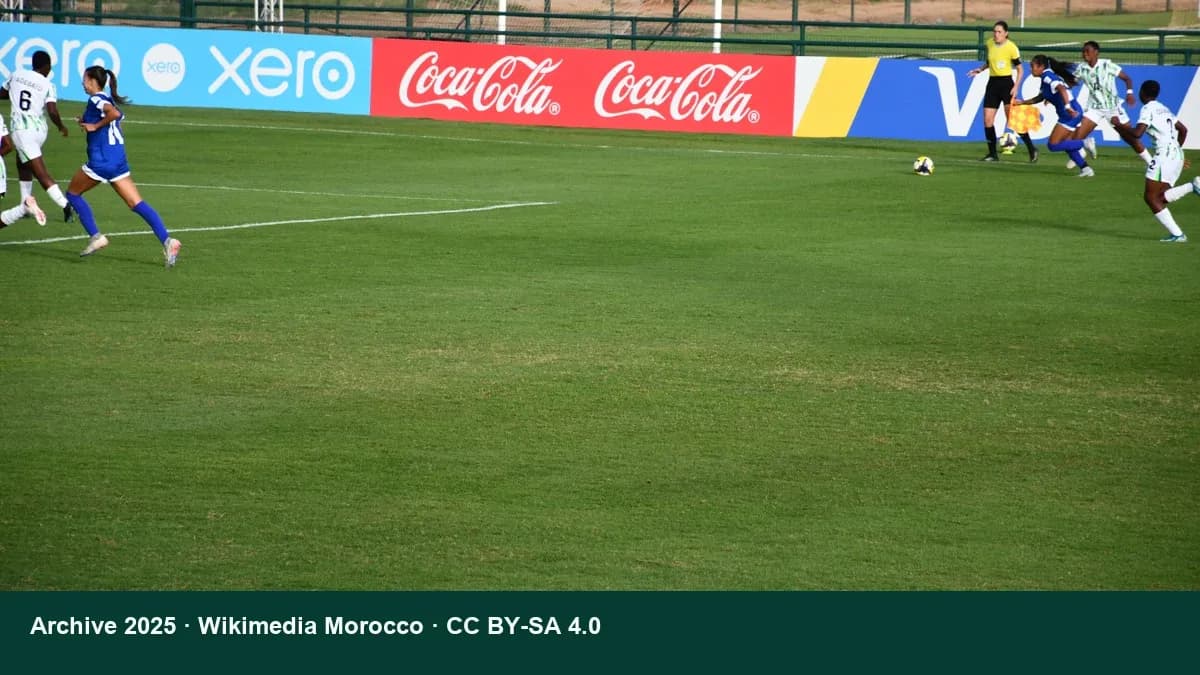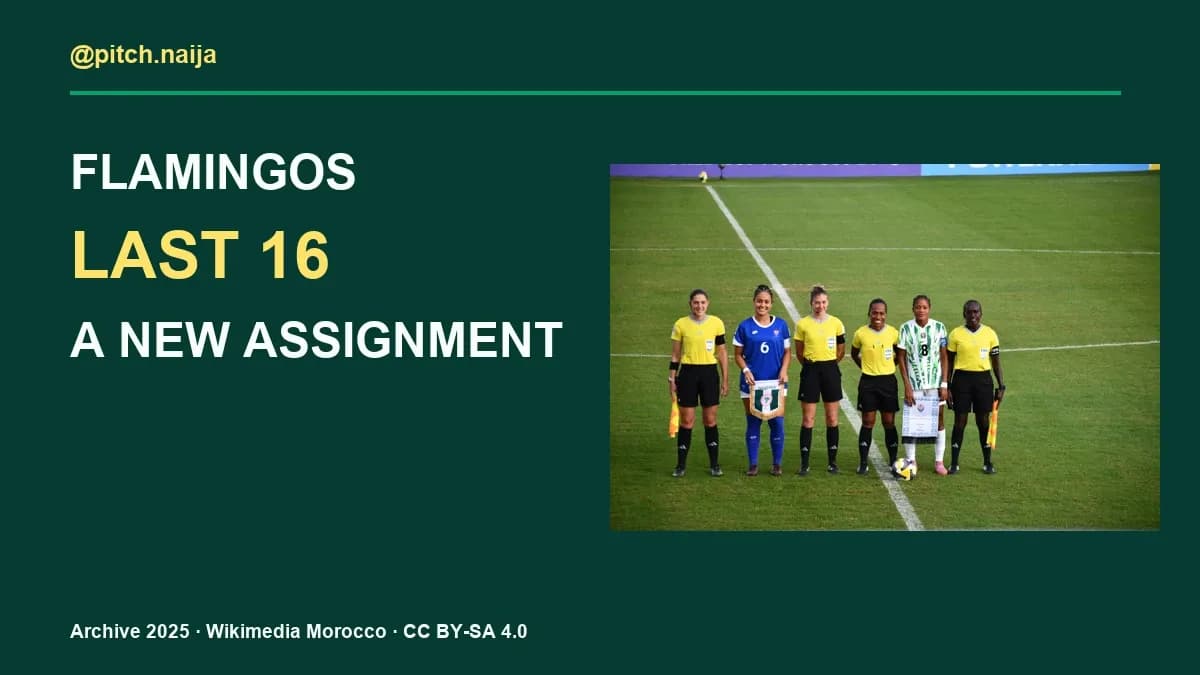
Nigeria’s Flamingos have a different challenge after their 3–1 win over DPR Korea: carrying a strong group-stage response into a knockout contest. The victory secured a last-16 place, but the points that helped them progress cannot protect them in their next match. Every new round demands another performance.
The NFF called Friday’s result an ‘impressive 3–1 victory’. That description recognises what Nigeria achieved against the defending champions without deciding what happens next. The AFC’s report also makes an important distinction: DPR Korea still finished above Nigeria in the group despite losing their meeting.
For supporters, that is a useful reminder to separate a match result from a competition position. Nigeria can celebrate beating the holders while recognising that qualification starts a new assignment. A convincing score is evidence of a successful afternoon, not a guarantee against a different opponent.
The practical football question is how to combine attacking confidence with control when the contest changes. A team chasing a goal may need greater urgency; a team in front still needs ways to keep the ball and threaten the other end. Those choices should be judged from the next match itself rather than assumed from the previous scoreline.
Young players also deserve a measured conversation. One goal or one mistake should not become a permanent judgement about a teenager’s career. The more useful discussion concerns combinations, movement and how the team responds when an opponent alters the problem in front of it.
For Nigerian viewing groups, the official next-round fixture is the appointment to follow. Group-stage schedules should not be carried forward as if the same date or kickoff automatically applies. The football has moved into a new phase, and the viewing plan must move with it. What should Nigeria prioritise in the last 16: an early attacking threat or tighter control of the game?