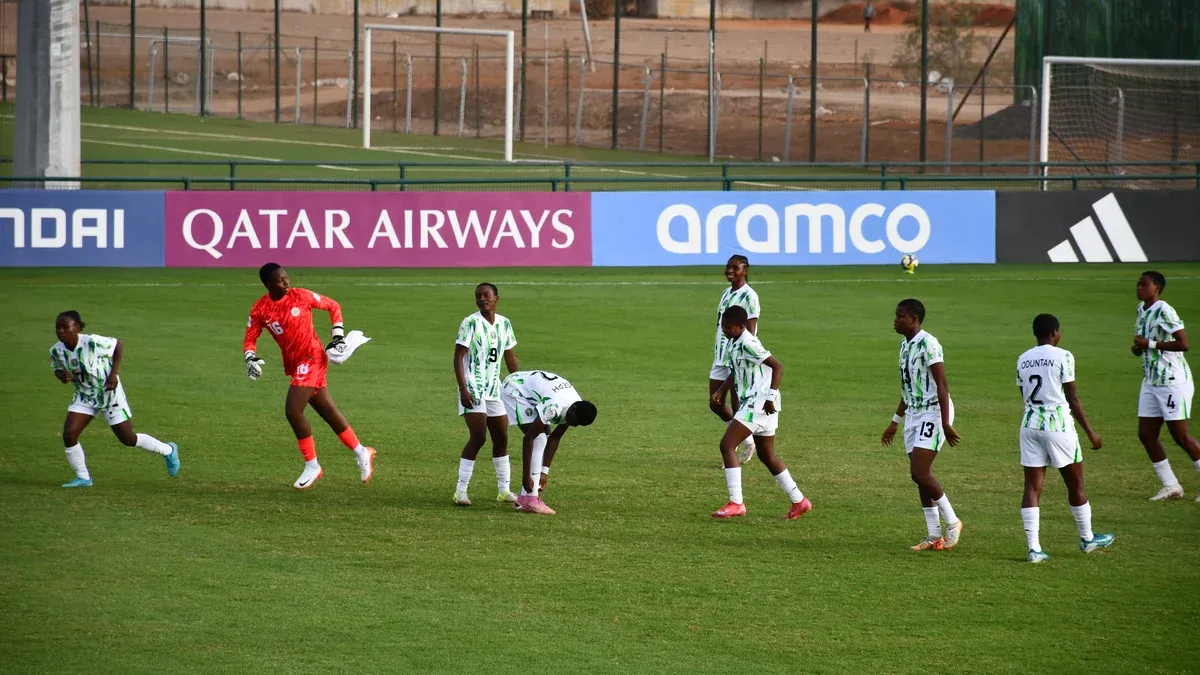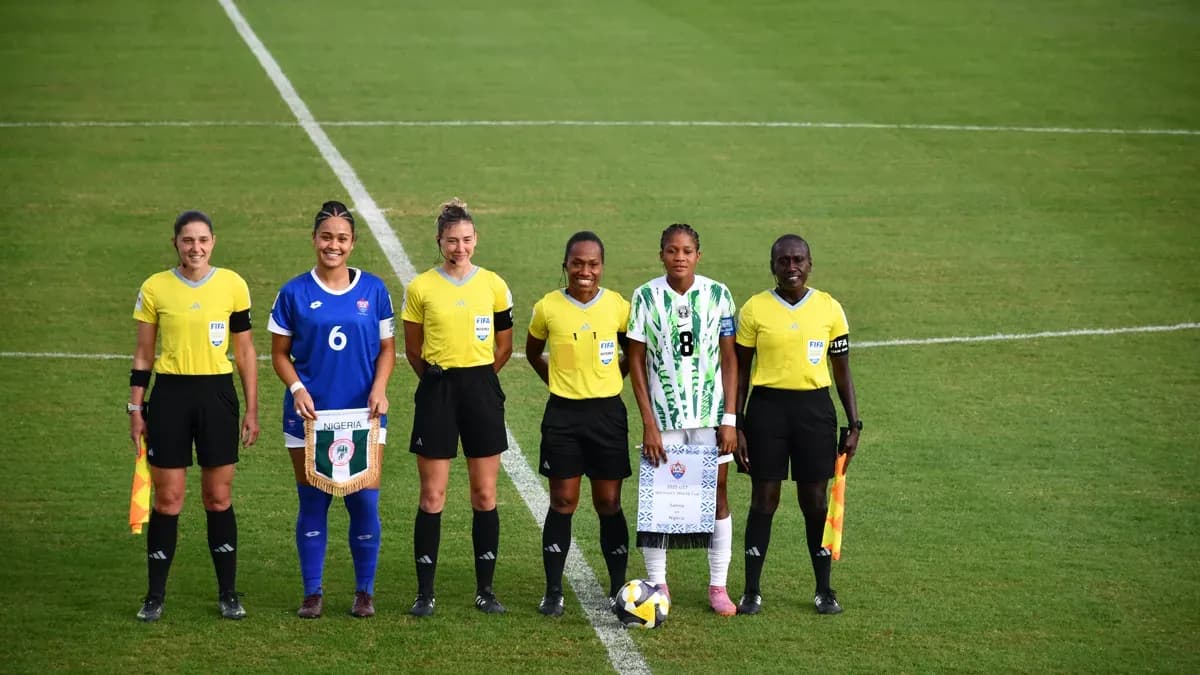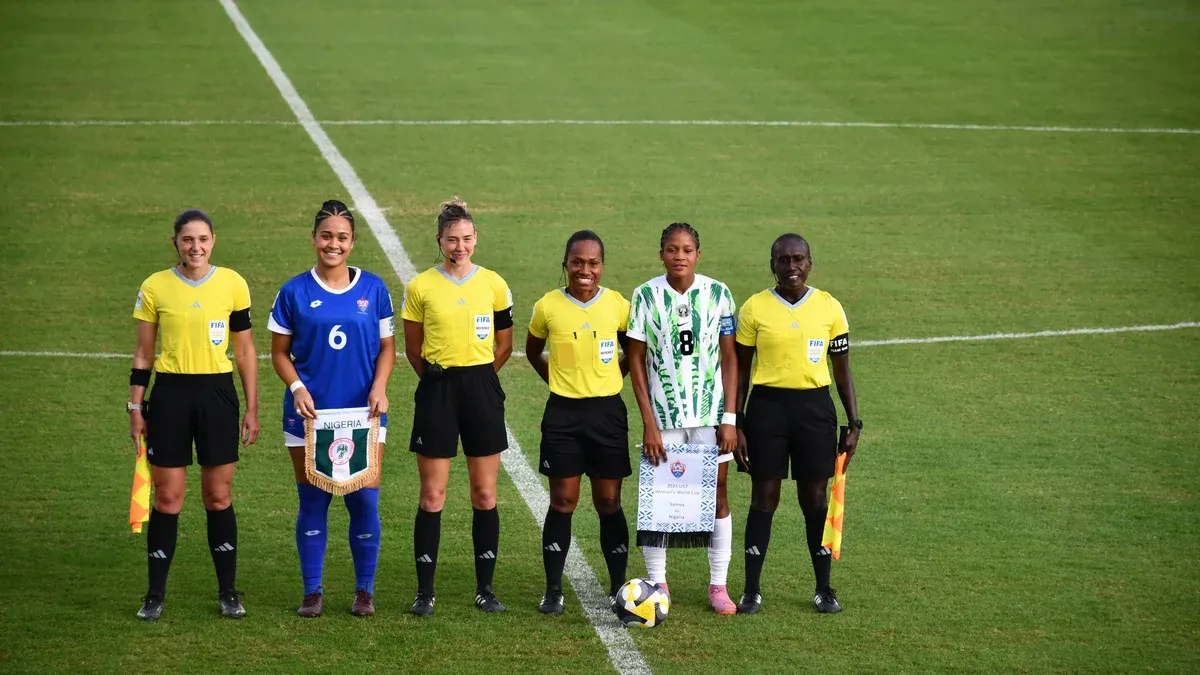
Oluebube Umejiaku finished the Under-17 Women’s World Cup with the Golden Ball and the goal that won Nigeria its first title in the competition. The forward scored in the 47th minute of Saturday’s 2–1 victory over Japan in Rabat. FIFA also named her player of the match. Her fourth goal of the tournament made Nigeria the first African country to lift the trophy.
The award recognises a tournament, not just the last kick that made the difference. Nigeria lost their opener to Poland before winning six straight matches. Their run included a group-stage victory over defending champions DPR Korea, then a semi-final win over Brazil. Umejiaku’s decisive contribution against Japan was the final step in a recovery that had started long before the trophy presentation.
FIFA president Gianni Infantino told the team “Well deserved in the final,” in remarks published by FIFA after the match. The pattern of the winning goal helps explain why it stood out. Esther Stephen’s pass gave Umejiaku room to run behind the defence; her first touch gave her time to finish before the goalkeeper could close the angle. Awawu Bashiru had scored Nigeria’s first before the interval, and Japan’s Fuki Ito pulled one back with ten minutes left. The Flamingos still had to protect the lead.
The next question is what happens after the medals. A youth award is not a senior call-up, and the players do not have to take identical routes. Regular competitive minutes, good coaching and room to develop can matter more than a quick move or a new label. Which part of Umejiaku’s tournament should younger Nigerian forwards study first: the runs behind defenders, the first touch, or the composure to finish?