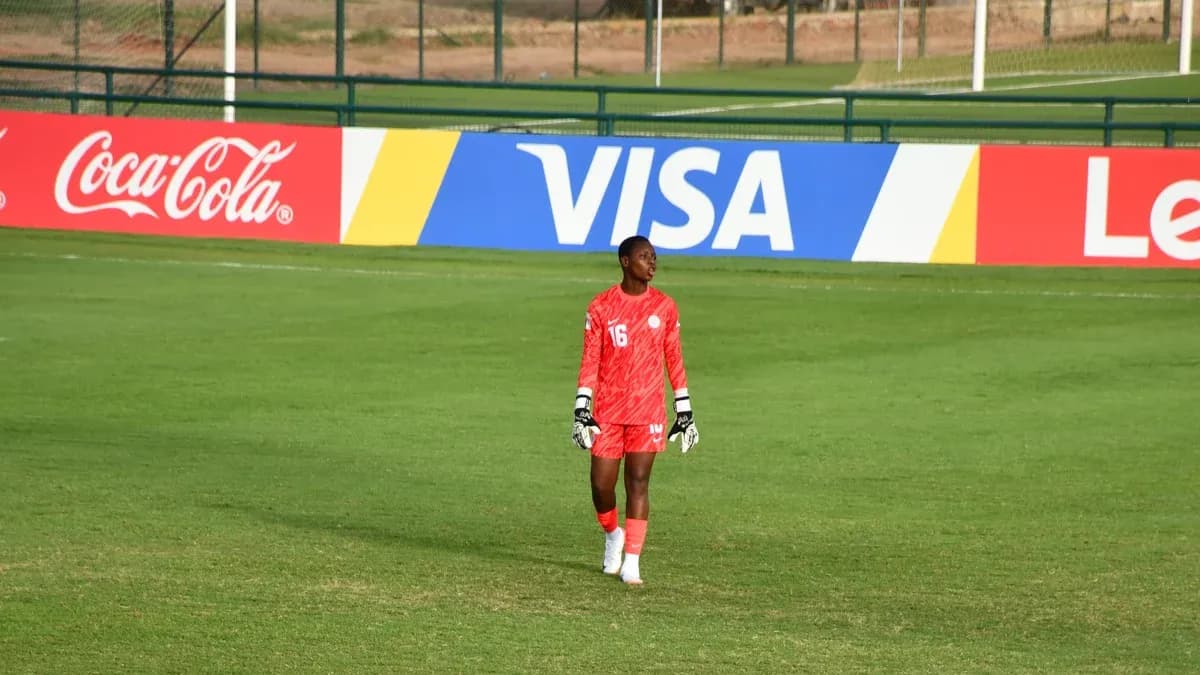
Nigeria’s Flamingos and their staff have completed an integrity briefing before the FIFA U17 Women’s World Cup. The Nigeria Football Federation says its Integrity Unit conducted the session on Wednesday, covering how to recognise manipulation approaches and where to report concerns.
Among the points in the NFF’s published statement is ‘Confidential reporting channels available 24/7’. The release also lists restrictions on betting and sharing inside information, alongside the consequences of involvement in match manipulation. These are safeguards for a competition, not an allegation against a Nigerian player.
For supporters, that distinction matters. A prevention session should not be turned into a suspicion-driven headline. Teaching participants how to identify a risk is different from saying that the risk has already materialised. The announcement describes education before a tournament, rather than a disciplinary finding.
Inside information is also different from ordinary football conversation. Fans can discuss a public squad announcement or a published result without being part of a team’s private working environment. Participants may have access to information through their roles, which is why clear boundaries and reliable reporting routes are important.
Young players should not have to resolve a troubling approach alone or win an argument with the person making it. The purpose of a recognised reporting route is to put a concern before people responsible for handling it. Support from staff and an understanding of the rules belong alongside the more visible work on technique and tactics.
Nigeria’s tournament story will naturally focus on performances, but the environment around those performances deserves attention too. Protecting fair competition helps players concentrate on football and lets supporters judge a match on its sporting merits. What should football organisations explain more clearly to fans: the reporting process, the inside-information boundary or how young players are supported?