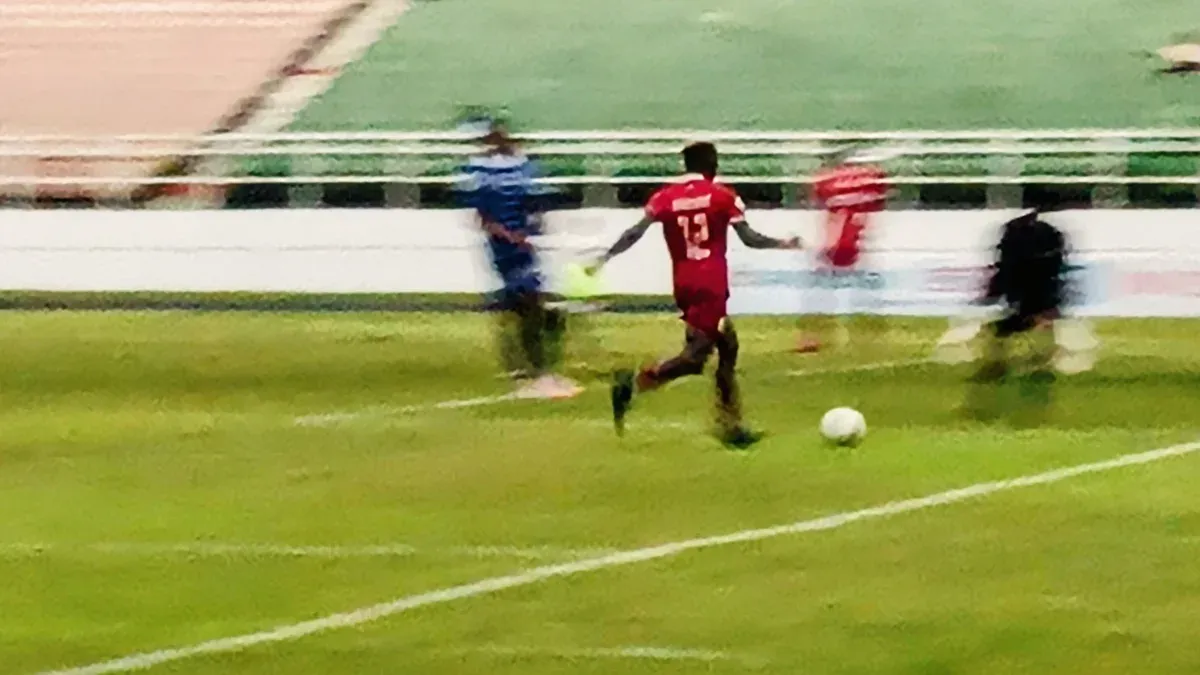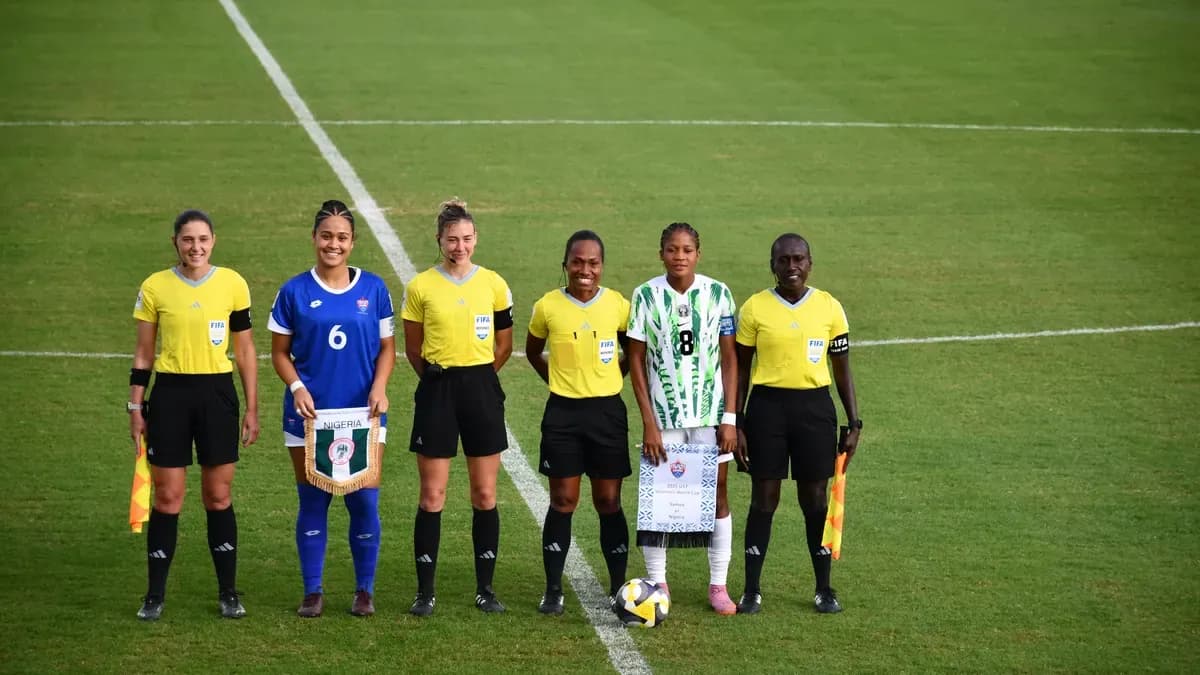
Eboboritse Uwejamomere’s Golden Eaglets encountered an unexpected preparation problem in Ouagadougou when their scheduled final training session was moved away from the main pitch. The Nigeria Football Federation says the replacement was a poorly maintained five-a-side surface, rather than the standard area the team expected.
The federation described the surface as ‘unsuitable for a team preparing for a competitive international tournament’. Its account says the main facility had been allocated to a friendly at the same time. The technical crew and players resolved to concentrate on their football despite the disruption.
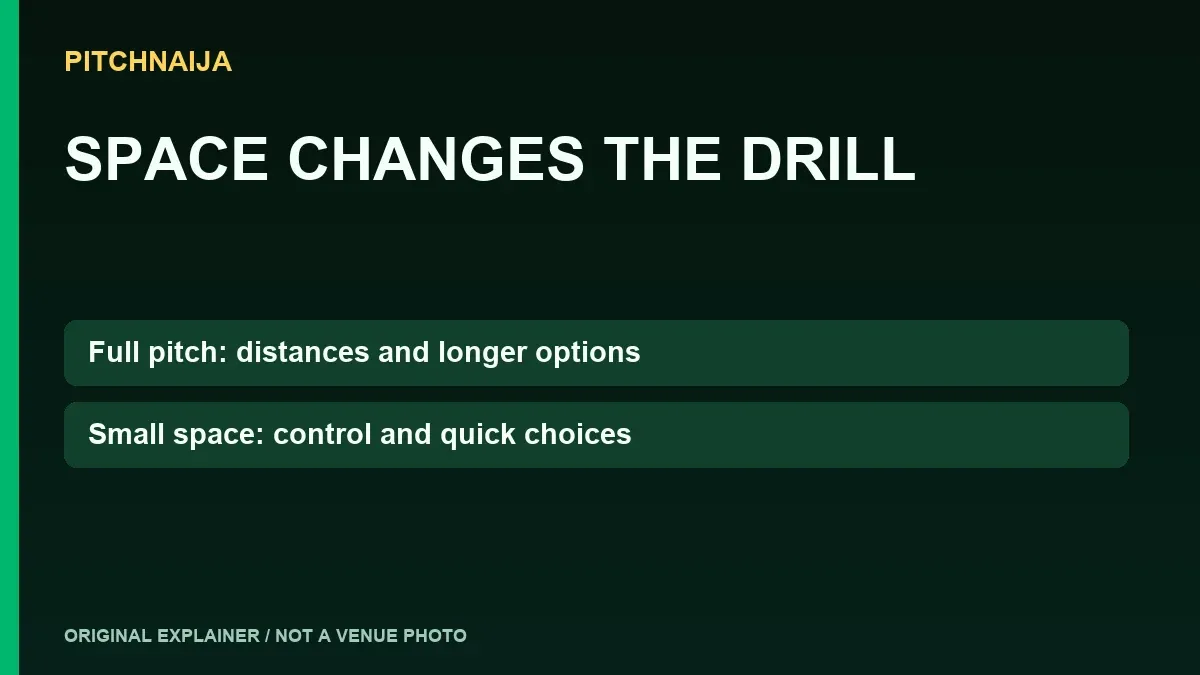
A small-sided area is not automatically a bad coaching tool. Coaches can deliberately use one to practise quick decisions, close control and short combinations. The problem is the difference between choosing that exercise and having it imposed when another kind of session was planned.
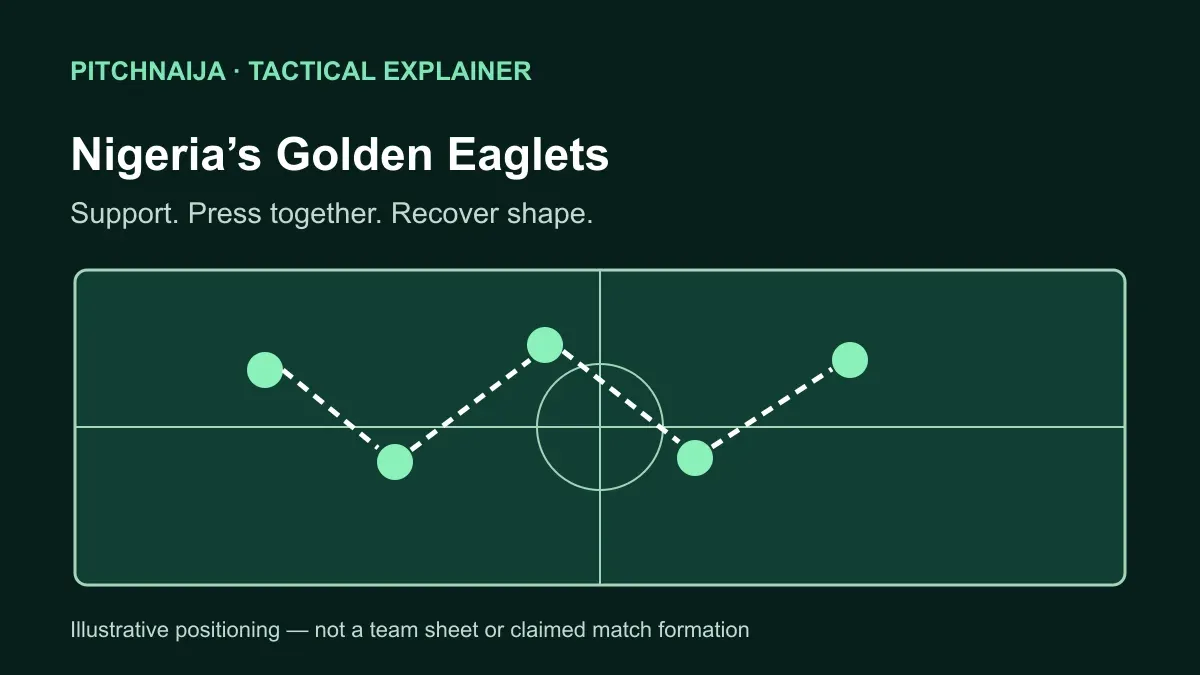
On a larger pitch, players can rehearse distances between units, longer passing options and the space behind a defensive line. Reducing the available area changes those relationships. A short pass may become the obvious solution when the intended practice was about recognising a wider option.
That does not allow anyone to predict Nigeria’s performance from one disrupted session. Young players still bring their earlier work, individual skills and ability to adapt. It does, however, explain why adequate facilities belong in a serious discussion of development rather than being treated as background detail.
For Nigerian youth coaches, the practical lesson is to link the available space to the purpose of the drill. The exercise should prepare a specific habit, not merely fill the training time. What would you prioritise after a disrupted session: restoring the planned tactical work or helping players regain a calm routine?