Nigeria hosted a change to CAF’s administrative language framework on Saturday, as the confederation’s ordinary general assembly in Abuja recognised Kiswahili as an official language under its statutes. The meeting brought together the continent’s 54 member associations.
CAF’s announcement said the decision was intended to strengthen ‘the representation of African languages in football administration across the continent’. Kiswahili joins English, French, Arabic and Portuguese in the list given by the confederation.
The same statement recorded renewed unanimous backing from the member associations and CAF’s executive committee for Gianni Infantino’s re-election as FIFA president. It placed the election at the FIFA Congress in Rabat on 18 March 2027. An endorsement at a continental meeting is not the election itself and should not be described as a completed presidential victory.
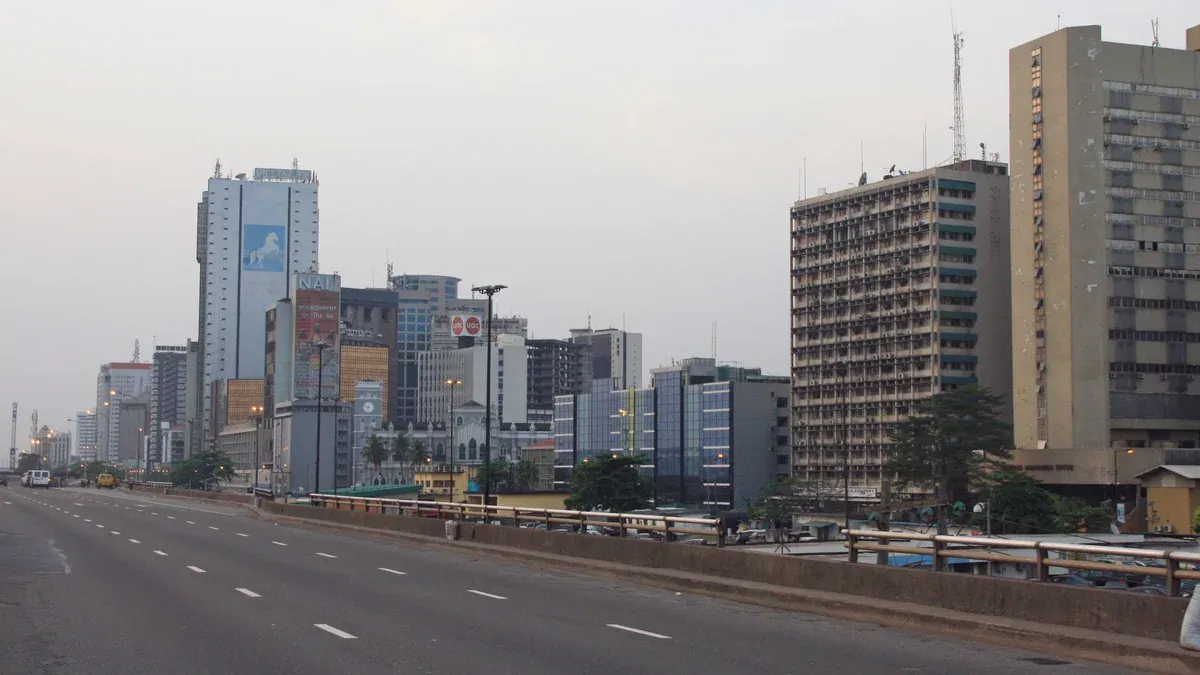
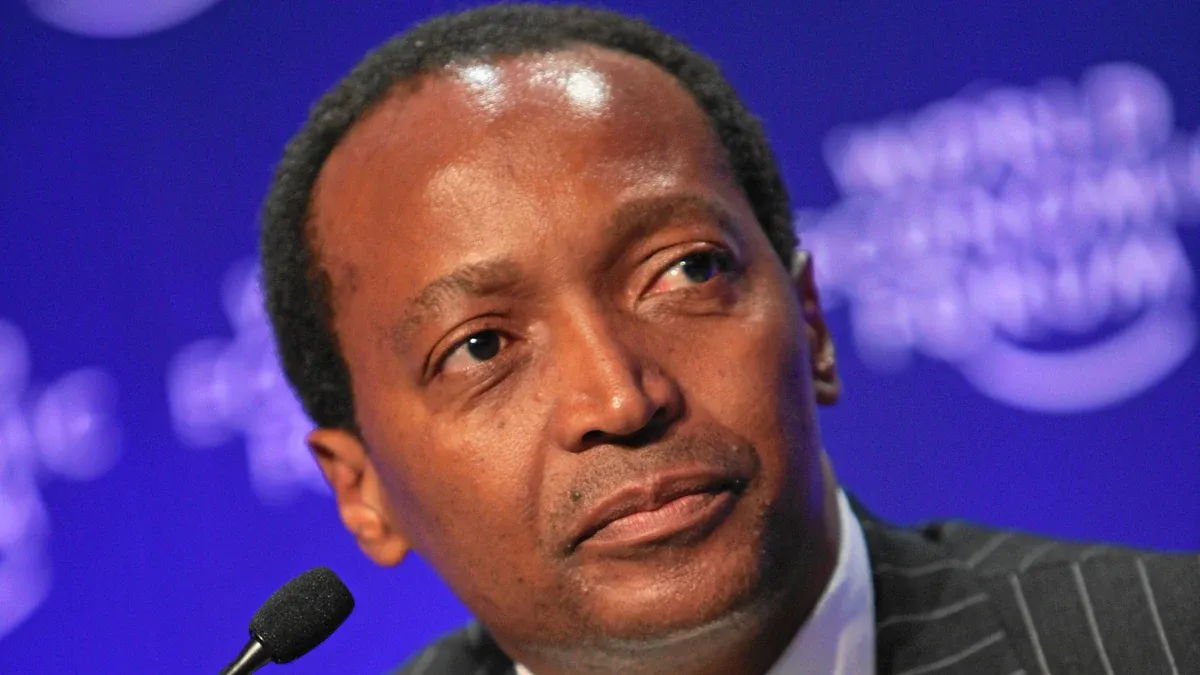
CAF president Patrice Motsepe also thanked Nigeria’s government, federation and people for hosting the gathering. For Nigerian supporters, the immediate significance is that Abuja was the venue for an institutional decision, rather than a match or a change to the Super Eagles’ playing schedule.
Language policy can appear distant from the football watched each weekend. Its practical purpose, however, is about who can take part in an organisation’s work and understand its decisions. The usefulness of formal recognition will ultimately depend on how it is implemented in communications and administration, not simply on its appearance in a list.
Supporters should also keep the different strands of an assembly separate. A language resolution, a financial announcement and an endorsement of a candidate have different consequences. None on its own establishes a new Nigerian grant, a revised competition format or a national-team selection decision.
Which CAF decision would you most like explained in terms of its practical effect on Nigerian football?