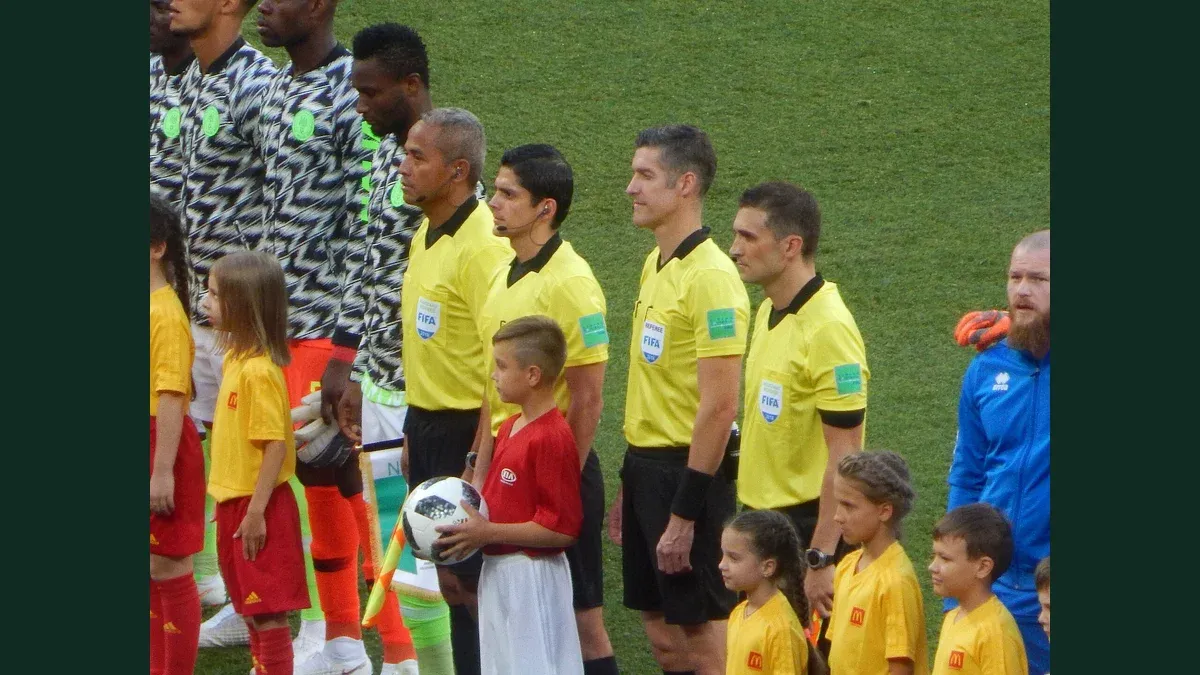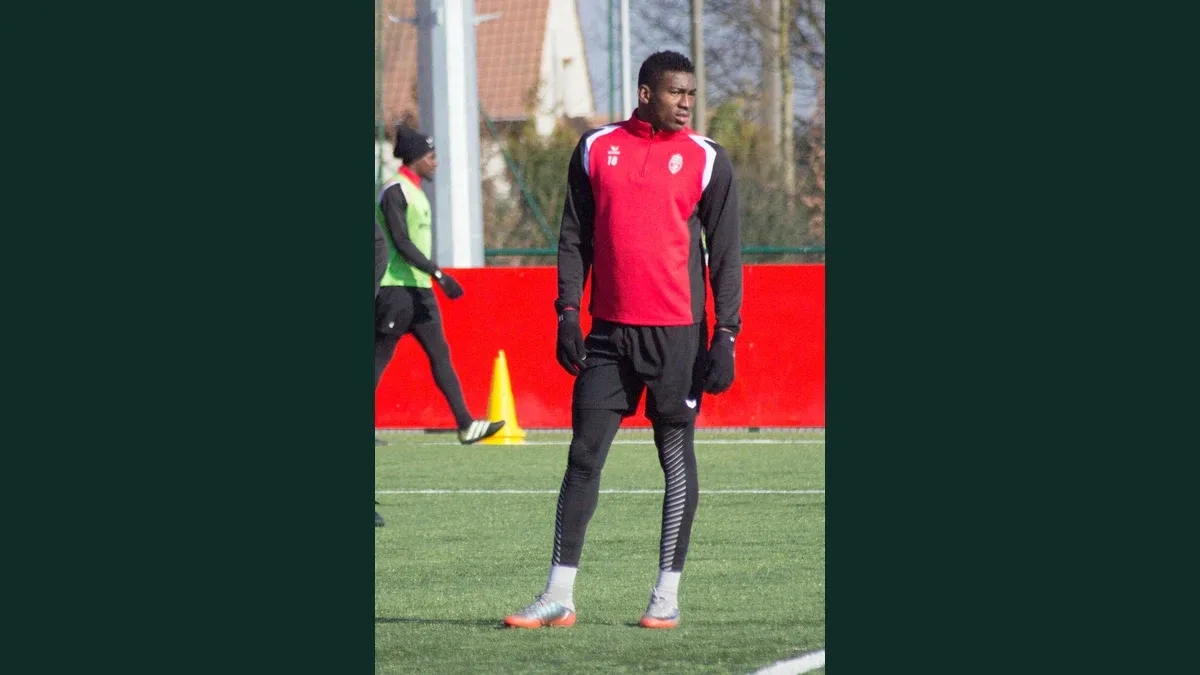
Tolu Arokodare’s two second-half goals in Nigeria’s 3–1 win over Tanzania have made the substitutes’ role a useful talking point before the return match. The lesson is not simply that a player who scored should automatically start. It is that the bench can change how an attack works, not just replace tired legs.
The NFF’s report says Nigeria resumed with “purposeful play at the beginning of the second half”. Arokodare entered at the interval and scored in the 52nd and 60th minutes. Captain Wilfred Ndidi supplied the pass for the first, while fellow substitute Moses Usor contributed to the move that produced the second.
Those contributions underline two separate requirements. A forward needs service that reaches a useful area, and the players around him need movement that gives the passer a decision. Finishing is the visible end of the sequence, but the sequence still has to be built.
There is also a distinction between repeating a selection and repeating an effect. A substitute can benefit from entering against defenders who have already spent a half reacting to different movements. Starting the same player may change the problem the opposition prepare for rather than reproduce the exact circumstances of his goals.
That does not weaken Arokodare’s case for involvement. It makes the selection discussion more interesting than a simple reward for scoring. The coaching choice concerns the whole attacking unit: who occupies defenders, who supplies width and which options remain available if the game needs a change.
For supporters, the productive debate is about roles rather than a guaranteed team sheet. Friday’s result is evidence of what worked in that match, not proof of what must happen next. Would you start Arokodare in the return game or preserve him as an option to change the second half?